
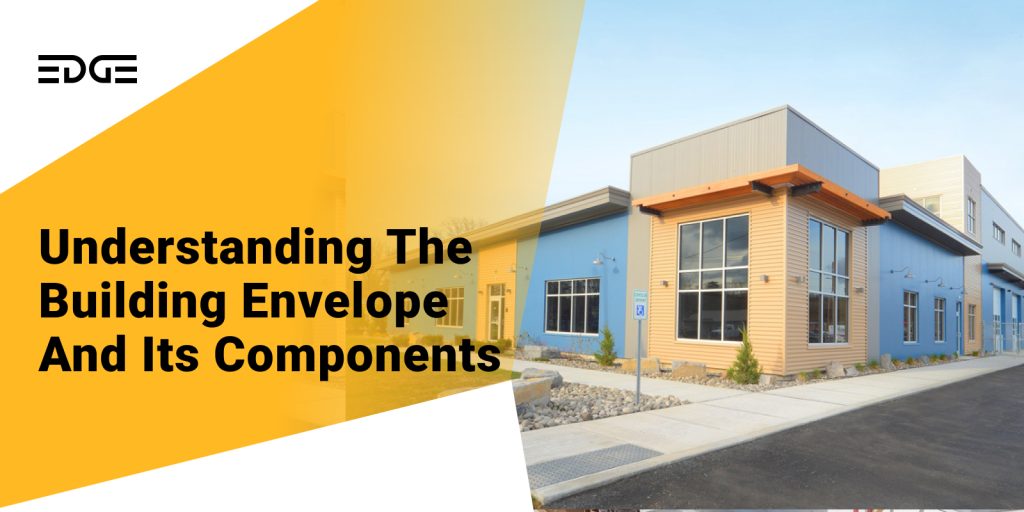
When you think about what keeps a building comfortable, dry, and energy-efficient, you’re really thinking about building envelope components. These are the parts of a structure that separate the indoor environment from the outdoor world, creating a protective barrier that makes modern buildings livable and functional.
Building envelope components work together like a well-managed team. Each element has a specific job, but they all depend on each other to create a complete protective system. From the foundation to the roof peak, every component plays a crucial role in keeping weather out. It also keeps maintaining comfortable temperatures, and protecting the building’s structural integrity.
Understanding these components isn’t just important for architects and builders, it is also valuable knowledge for anyone who owns, manages, or works in buildings. After all, when building envelope components fail, everyone inside feels the consequences through drafts, leaks, temperature fluctuations, and higher energy bills.
How Everything Works Together?
The building envelope system represents the coordinated approach to designing and constructing all the components that separate interior and exterior environments. Think of it as the building’s protective skin. It is something like a complex system that must breathe, flex, and respond to changing conditions while maintaining its protective functions.
A well-designed building envelope system considers how different materials and components interact with each other. For example, how does the roof connect to the walls? Where does moisture go when it penetrates the exterior surface? How do thermal bridges get minimized to prevent heat loss?
Modern building envelope systems increasingly focus on continuous performance. Rather than treating walls, roofs, and foundations as separate elements, today’s designers think about creating unbroken planes of protection that eliminate weak points and thermal bridges.
Thermal Insulation: Keeping the Heat Where You Want It
Thermal insulation might be the most misunderstood component of the building envelope, yet it’s absolutely critical for energy efficiency and comfort. Good insulation doesn’t just keep buildings warm in winter. It keeps them cool in summer and reduces energy costs year-round.
The science behind thermal insulation is actually quite simple: it slows down heat transfer by trapping air or using materials with low thermal conductivity. However, the application can be complex, especially when dealing with thermal bridges, moisture management, and air sealing requirements.
Different insulation materials work better in different situations. Fiberglass batts are economical and widely used, but spray foam provides superior air sealing. Similarly, rigid foam boards offer high R-values in thin profiles, while natural materials like cellulose provide good performance with environmental benefits.
Weatherproofing
Weatherproofing encompasses all the strategies and materials used to keep water, wind, and weather out of buildings. This goes far beyond just applying a waterproof coating—it’s about creating multiple layers of protection that work together to shed water and resist wind pressure.
Effective weatherproofing starts with good design. Proper overhangs, sloped surfaces, and drainage details can prevent most water problems before they start. Then comes the selection and installation of weatherproofing materials like sealants, membranes, and flashing systems.
Roofing Systems
Roofing systems represent one of the most critical building envelope components because they face the harshest weather conditions while protecting everything below. A complete roofing system includes much more than just the visible surface material. It is a coordinated assembly of structural decking, underlayment, insulation, ventilation, and surface materials.
The choice of roofing system depends on building design, climate, budget, and aesthetic preferences. Sloped roofs shed water quickly but require different details than flat roofs, which rely on membranes and internal drainage systems. Each approach has advantages and specific installation requirements.
How Wall Assemblies Are Backbone of Building Protection?
Wall assemblies form the largest portion of most building envelopes and must balance multiple performance requirements including structural support, thermal protection, moisture control, and aesthetic appeal. Modern wall assemblies are sophisticated systems with multiple layers, each serving specific functions.
The evolution of wall assemblies reflects our growing understanding of building science. Traditional solid masonry walls gave way to cavity walls, then to modern assemblies with continuous insulation, advanced air barriers, and sophisticated moisture management systems.
Air Barrier: The Invisible Performance Enhancer
Air barriers might be invisible once construction is complete, but they’re among the most important building envelope components for energy efficiency and comfort. An effective air barrier prevents uncontrolled air leakage that can waste energy, cause comfort problems, and lead to moisture issues.
Creating an effective air barrier requires both appropriate materials and careful attention to continuity. The air barrier must form a complete envelope around the conditioned space, with particular attention to penetrations, joints, and transitions between different building elements.
Moisture Control: Preventing the Silent Destroyer
Moisture control strategies protect buildings from water damage, mold growth, and structural deterioration. Effective moisture control requires understanding how water moves through building assemblies and designing systems that manage moisture from all sources.
The basic principles of moisture control include keeping water out, allowing moisture to escape, and controlling moisture sources. This requires coordination between weatherproofing, vapor barriers, ventilation systems, and material selection to create assemblies that stay dry.
Facade Design: Where Function Meets Form
Facade design combines aesthetic goals with building envelope performance requirements to create building exteriors that are both attractive and functional. The best facade designs seamlessly integrate weatherproofing, insulation, and structural requirements while achieving desired architectural effects.
Contemporary facade design increasingly emphasizes sustainability and energy performance alongside aesthetic considerations. This has led to innovations like dynamic facades that respond to environmental conditions and integrated renewable energy systems.
Energy Efficiency: The Bottom Line Benefits
Energy efficiency represents the measurable benefit of good building envelope design and construction. When all building envelope components work together effectively, the result is dramatically reduced energy consumption for heating, cooling, and ventilation.
The relationship between building envelope performance and energy efficiency is direct and measurable. Better insulation, reduced air leakage, and high-performance windows can cut energy consumption by 30-50% or more compared to conventional construction.
Structural Protection: Safeguarding the Framework
Structural protection ensures that building envelope components don’t just perform their environmental functions, they also protect the building’s structural elements from deterioration and damage. This includes protecting steel from corrosion, wood from decay, and concrete from freeze-thaw damage.
Effective structural protection starts with keeping moisture away from structural elements through proper weatherproofing and drainage design. It also includes using appropriate materials and protective coatings that resist environmental damage.
The building envelope plays a crucial role in controlling the conditions that structural elements experience. By maintaining stable temperatures and humidity levels, good building envelope design reduces thermal stress and moisture-related deterioration.
Take Away
Understanding building envelope components reveals how modern buildings achieve comfort, efficiency, and durability through coordinated systems that protect against weather while managing energy and moisture. From thermal insulation and air barriers to weatherproofing and facade design, each component contributes to overall building performance.
Thus, the building envelope represents one of the most important investments in any construction project because it affects energy costs, comfort, and durability throughout the building’s life.

